


I have been a big fan of Kodak Xtol for my go to developer for a number of years now, I like the tonal separation and contrast it produces plus its ease of use especially using it as a replenished stock solution.
After long deliberation and at times exhaustive talks with Ian Barber I ended up buying two 100mil bottles of Pyrocat HD ([part A and B). I am not going to go into this as a technical overview as there are lots of articles on the web and Ians web site plus on here, just my initial thoughts of using it and the end result.
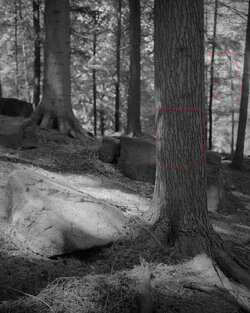
On Sunday I packed my 4x5 and took just one sheet of Fuji Acros, I wanted to take a picture that would push the film and developer, so I found an area in deepish shade with strong sunlight in the background and also light filtering through trees that were around, I took a spot meter reading and placed the shadows on zone 4 this pushed the highlights to zone 9 (very bright). The exposure was 1/2 @ f/8 using my 1500mm Rodenstock lens
I developed the Acros which was rated at box speed of 100iso for 10.35 sec @20c I minute initial agitation followed by 15 sec every min, stop, fix and wash as usual, pretty straight forward.
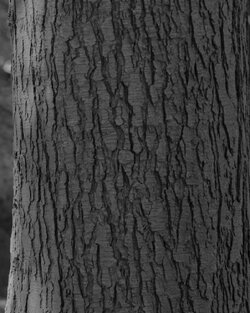
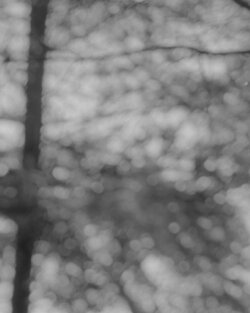
When dry I scanned it in my Epson v850 at 2400DPI using Vuescan (this would produce an image 31inch by 25) and was pleasantly surprised by two main things, firstly the sharpness from it was the best I have ever encountered with any developer and flatbed combination, plus the micro contrast Pyrocat delivers (it is a high acutance developer so to be expected) the second was the transition of tone to tone especially in the highlight regions even the tones on zone 9.
I have only used it once so will do more test shots, but from this first encounter I can see that Xtol will be used far less developing my 4x5 negatives.
Need to test it now as a compensating developer were the dynamic range dictates longish dev times to bring extreme highlights down to a workable level and also certain control of the shadows.
The images below are obviously massively downsized but will give you a good idea how good this developer is.
Full image, straight scan 4x5 image showing crop areas
Bark heavily cropped showing acutance and micro contrast revealing its texture
OOF highlights heavily cropped into showing control and good transition tone to tone
After long deliberation and at times exhaustive talks with Ian Barber I ended up buying two 100mil bottles of Pyrocat HD ([part A and B). I am not going to go into this as a technical overview as there are lots of articles on the web and Ians web site plus on here, just my initial thoughts of using it and the end result.
On Sunday I packed my 4x5 and took just one sheet of Fuji Acros, I wanted to take a picture that would push the film and developer, so I found an area in deepish shade with strong sunlight in the background and also light filtering through trees that were around, I took a spot meter reading and placed the shadows on zone 4 this pushed the highlights to zone 9 (very bright). The exposure was 1/2 @ f/8 using my 1500mm Rodenstock lens
I developed the Acros which was rated at box speed of 100iso for 10.35 sec @20c I minute initial agitation followed by 15 sec every min, stop, fix and wash as usual, pretty straight forward.
When dry I scanned it in my Epson v850 at 2400DPI using Vuescan (this would produce an image 31inch by 25) and was pleasantly surprised by two main things, firstly the sharpness from it was the best I have ever encountered with any developer and flatbed combination, plus the micro contrast Pyrocat delivers (it is a high acutance developer so to be expected) the second was the transition of tone to tone especially in the highlight regions even the tones on zone 9.
I have only used it once so will do more test shots, but from this first encounter I can see that Xtol will be used far less developing my 4x5 negatives.
Need to test it now as a compensating developer were the dynamic range dictates longish dev times to bring extreme highlights down to a workable level and also certain control of the shadows.
The images below are obviously massively downsized but will give you a good idea how good this developer is.
Full image, straight scan 4x5 image showing crop areas
Bark heavily cropped showing acutance and micro contrast revealing its texture
OOF highlights heavily cropped into showing control and good transition tone to tone
Last edited:

