

SOOC [straight out of camera] jpgs 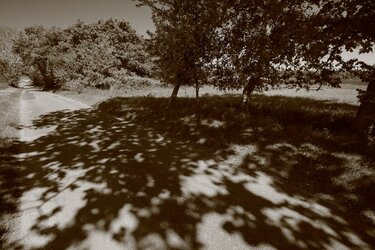
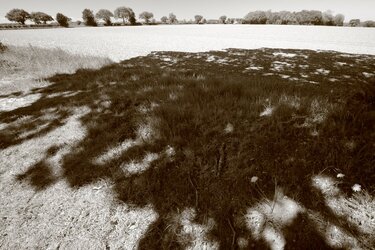
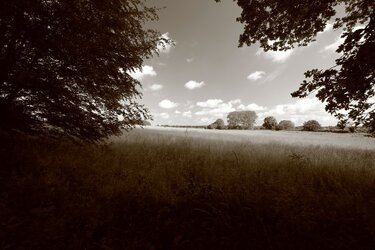
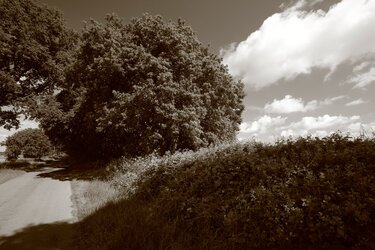
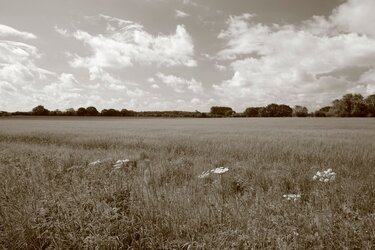
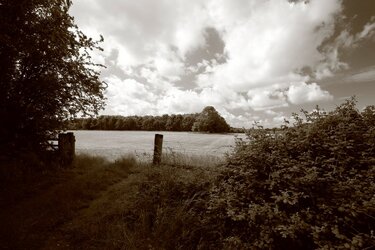


thanks JoséI keep looking at them all. 1 & 2 (2 more) seem to have some lens distortion. How do you get the sepia tone in camera? I like looking at these.
just use the jpg as an aide memoire for processing as often I rather like the [canon] camera's rendition considering the high DR

Yes I know all that - I do also shoot RAW at the same time. Nonetheless I am quite impressed by the DR of the jpgs and the rendition, considering they are jpgsThe trick with jpeg images in the camera is to realise that they are very limited in dynamic range and need to be exposed in much the same way as transparency film, in that, if you don't get it right in the camera, there's very little chance of fixing it up afterwards. The image on the back of the camera is usually from the jpeg, even if you shoot in RAW, it's just that the camera does the processing to try and squeeze the actual dynamic range into an 8-bit file, rather than giving you the 12-14 bit files that are RAW. Written that way, it doesn't sound like much difference but, when you consider that 8 bits can only represent 256 levels of gray/colour but 12 bits can represent 4096 levels and 14 bit can represent 16,384, you get to realise just how little detail a jpeg file is capable of retaining.


SOOC {straight out of camera} means exactly that - so it was applied in camera automaticallyWas the toning applied in camera or afterwards
totally magicGe, whillikers, I didn't know that was possible. Is that a magic camera or what?