


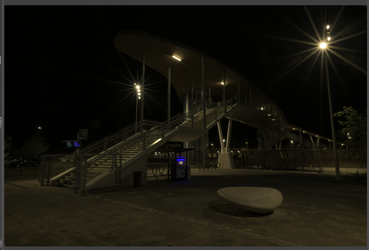
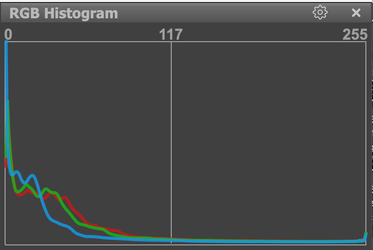
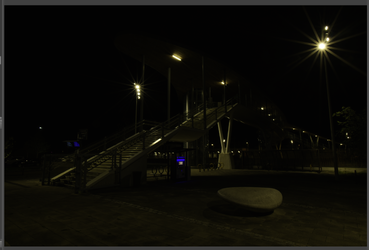
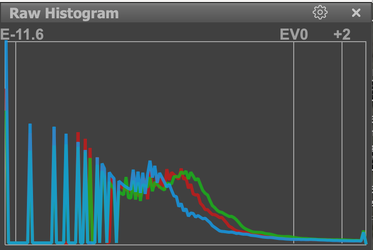
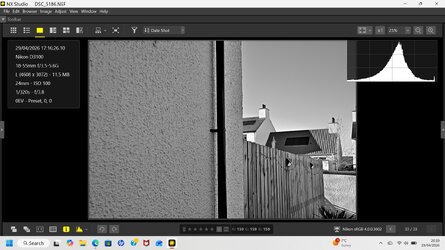
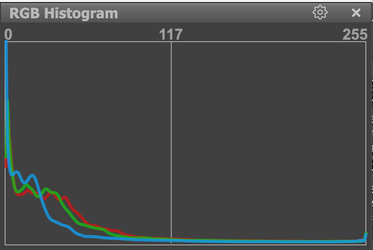
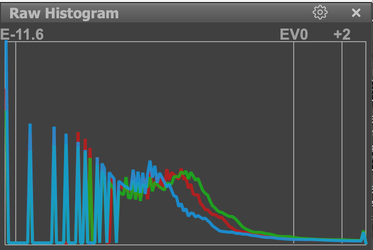
Another reason for not relying on the histogram is that it only reflects the contents of the JPEG, which is embedded in the RAW file. It is only really in the RAW file that you find the full dynamic range and, thus, much more detail in the shadows.
Just as with film, I never get to see the final result of my digital images, which are RAW, until they have been processed. And I rarely, if ever, check the rear screen because I have learnt, just as I had to with film, to get it right at the time of shooting. It can be a challenge to start with but, in the end, I have found it to be worth the effort.
Just found this article on ETTR, which might explain our reticence to use it.
Just as with film, I never get to see the final result of my digital images, which are RAW, until they have been processed. And I rarely, if ever, check the rear screen because I have learnt, just as I had to with film, to get it right at the time of shooting. It can be a challenge to start with but, in the end, I have found it to be worth the effort.
Just found this article on ETTR, which might explain our reticence to use it.
Last edited:

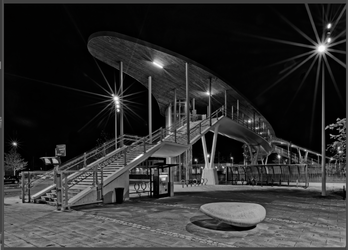

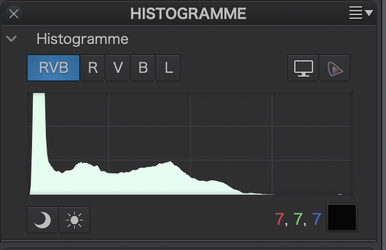
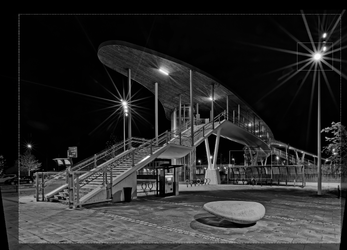
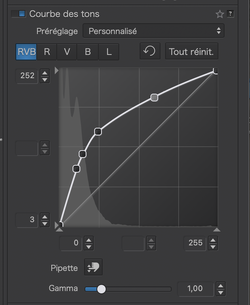
 . I need to write it down and then sleep.