

-
Thank You For Visiting... Please Click Here and sign up to contribute
You are using an out of date browser. It may not display this or other websites correctly.
You should upgrade or use an alternative browser.
Searching for paths
- Thread starter ian_s
- Start date
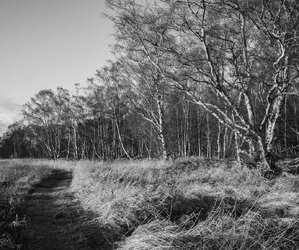
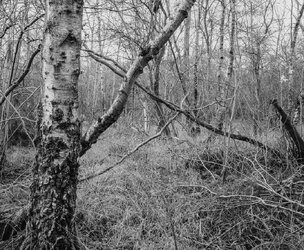
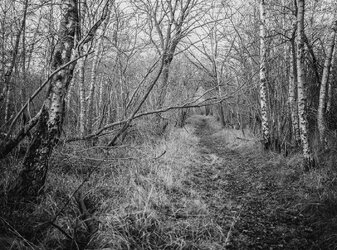

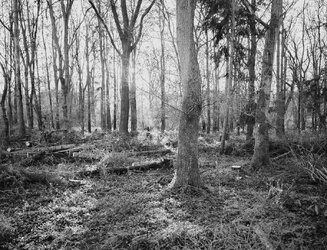


Another good set, I find the first a bit abrupt due to the rather hard light, but the others are lovely.

Thanks, yes the first image was taken late afternoon with low directional light which combined with the reflective silver birch and light grasses to give a harsh b&w image. Doesn't look so harsh in colour with a golden glow from the low sun ..Another good set, I find the first a bit abrupt due to the rather hard light, but the others are lovely.

Again great compositions but overall the tones are very mid tone issh, would love to see these with a wider range, I think the first one is the best
Martin, My attempt to banish some of the mid-grey's.Again great compositions but overall the tones are very mid tone issh, would love to see these with a wider range, I think the first one is the best
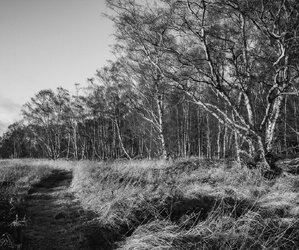
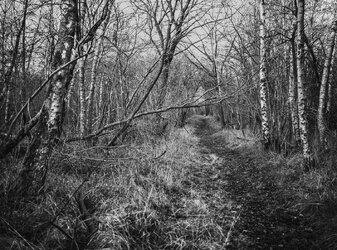
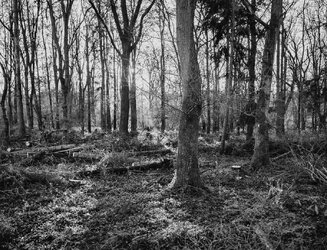
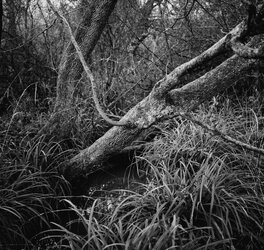
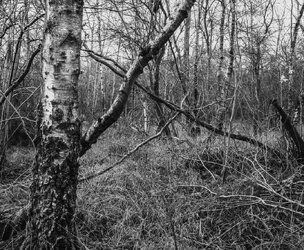

Both edits are nice and well done. Our modern eye is accustomed to higher contrast and high Dmax. TV and computer screens compete for that attention. That is not a bad thing; it's designed to give people what they want. I enjoy both and try to consider photos that lie in the middle for what they are. In the end, I like the second set. 

Toby mentioned James Ravilious which set me off on a path of discovery to both him and to his father (the well known painter) Eric. I found this online about reproducing James' camera setup and his preference for older, softer, uncoated pre-war lenses. You might find it interesting:... Our modern eye is accustomed to higher contrast and high Dmax. TV and computer screens compete for that attention. That is not a bad thing; it's designed to give people what they want. I enjoy both and try to consider photos that lie in the middle for what they are. ...
Last edited:
I'm leaning towards the original edits, they have the authentic washed-out look of late winter.
Toby mentioned James Ravilious which set me off on a path of discovery to both him and to his father (the well known painter) Eric. I found this online about reproducing James' camera setup and his preference for older, softer, uncoated pre-war lenses. You might find it interesting:
That seems like a good idea although nowadays you could 3d print a more elegant (and lighter) removable adaptor without the need for modifying the lens at all.
Toby mentioned James Ravilious which set me off on a path of discovery to both him and to his father (the well known painter) Eric. I found this online about reproducing James' camera setup and his preference for older, softer, uncoated pre-war lenses. You might find it interesting:
An interesting video and recreation project, the idea of immersing yourself in the photographers environment certainly appeals wrt James Ravilious. Couldn't find the Robert Capa recreation !
Toby mentioned James Ravilious which set me off on a path of discovery to both him and to his father (the well known painter) Eric. I found this online about reproducing James' camera setup and his preference for older, softer, uncoated pre-war lenses. You might find it interesting:
The main point here is that James Ravilious wasn't doing this DIY just because he liked tinkering around. It all stemmed from the fact that he had a very clear idea about how he wanted his finished prints to look. This is explained very well, along with an in-depth description of his working methods, in Peter Hamilton's book,
An English Eye. The photographs of James Ravilious.
Ravilious liked silvery greys, the sort of tonality you see in Victorian etchings by Samual Palmer and others. He found that he couldn't get these with modern coated lenses which were too harsh in contrast. So he turned to older uncoated lenses which gave him the look he wanted. The trouble was, because he liked photographing into the sun, he was then getting too much flare. The practical methods he used to reduce this are explained in the video.